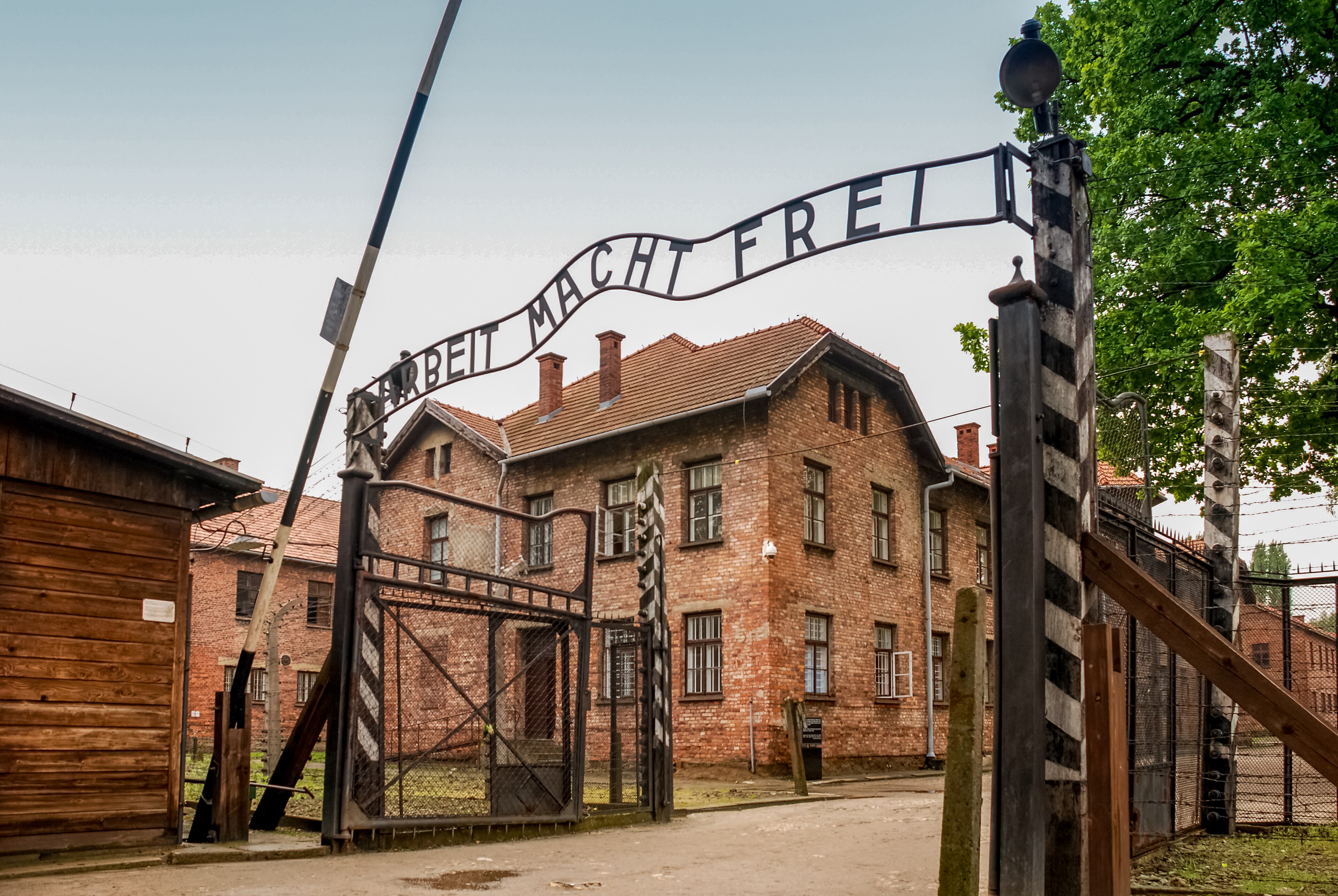
The Best Books About the Holocaust
No subject demands more care from a reader, or a list-maker. The books here include the foundational testimony — Levi, Wiesel, Frank — alongside the history that explains how genocide was organized and the fiction that has carried the subject to readers who would never pick up a history. We have placed the firsthand witnesses first, deliberately: where survivors have spoken, theirs are the voices to begin with. The novels follow, with a frank note where a popular book has drawn criticism from historians, because for this subject especially, a reader deserves to know what is testimony and what is invention.
Ranked by WarBooks editorial rating ★ · Updated July 2026
- #1

The Diary of a Young Girl
★ 4.9Anne Frank · 1947 · 283 pages
Memoir AccessibleThe most widely read document of the Holocaust. Essential reading that transcends the category of war book.
- #2

If This Is a Man
★ 4.9Primo Levi · 1947 · 188 pages
Memoir IntermediateLevi writes with the analytical precision of a chemist. His chapter 'The Drowned and the Saved' is one of the most important.
- #3

Night
★ 4.9Elie Wiesel · 1960 · 120 pages
Memoir AccessibleAt just 120 pages, Night is the most concentrated expression of the Holocaust's horror. Wiesel's loss of faith and the death of.
- #4

Maus
★ 4.8Art Spiegelman · 1991 · 296 pages
Memoir AccessibleThe first graphic novel to win a Pulitzer Prize. Spiegelman invented a new way to tell the story of the Holocaust — through the.
- #5

Ordinary Men
★ 4.8Christopher Browning · 1992 · 271 pages
Academic IntermediateThe most disturbing book on this list, because its answer to how ordinary people commit genocide is: easily. Required reading in Holocaust studies for thirty years.
- #6

The Drowned and the Saved
★ 4.8Primo Levi · 1986 · 203 pages
Memoir IntermediateHis most profound work, completed months before his death. The chapter on the grey zone is the most important piece of moral analysis to come out of the Holocaust.
- #7

Man's Search for Meaning
★ 4.7Viktor Frankl · 1946 · 184 pages
Memoir AccessiblePart memoir, part psychological theory. Frankl's argument that humans can endure anything if they find purpose has sold over 16.
- #8

Hitler
★ 4.7Ian Kershaw · 2008 · 1072 pages
IntermediateKershaw's concept of 'working towards the Führer' remains the most convincing explanation of how the regime functioned. The standard against which every Hitler book is measured.
- #9

Into That Darkness
★ 4.7Gitta Sereny · 1974 · 380 pages
Academic AcademicThe deepest interrogation of a perpetrator ever conducted. Sereny walks Stangl to the admission he had spent thirty years avoiding.
- #10

The Pianist
★ 4.6Władysław Szpilman · 1946 · 222 pages
Memoir AccessibleAdapted into Roman Polanski's film. Szpilman's account is remarkable for its restraint — he records horror without.
- #11

Bloodlands
★ 4.6Timothy Snyder · 2010 · 524 pages
Academic AcademicSnyder reframes the Holocaust and Soviet terror as a single geographic catastrophe. One of the most influential and debated history books of the century.
- #12

The Hiding Place
★ 4.6Corrie ten Boom · 1971 · 241 pages
Memoir AccessibleThe rescuer's perspective on the Holocaust — and a testament of faith under persecution that has never been out of print.
- #13

War and Remembrance
★ 4.6Herman Wouk · 1978 · 1042 pages
Historical Fiction IntermediateWouk called it the main task of his life: the whole war in one novel, with the Holocaust at its moral center. The Midway chapters alone are worth the thousand pages.
- #14

The Third Reich at War
★ 4.6Richard J. Evans · 2008 · 926 pages
Academic AcademicThe definitive scholarly account of how Germans experienced, supported, and suffered the war their regime started.
- #15

The Choice
★ 4.6Edith Eger · 2017 · 320 pages
Memoir AccessibleThe natural successor to Frankl, whom Eger knew. Memoir and therapy in one: what the camps taught her about the prisons people build afterwards.
- #16

KL: A History of the Nazi Concentration Camps
★ 4.6Nikolaus Wachsmann · 2015 · 865 pages
Academic AcademicTwenty years of research into the definitive single-volume account — the system entire, perpetrators and prisoners together.
- #17

The Volunteer
★ 4.6Jack Fairweather · 2019 · 505 pages
Popular History AccessibleThe most astonishing untold story of the war, suppressed for decades because Pilecki was later executed by Poland's communists. Costa Book of the Year.
- #18

Schindler's List
★ 4.5Thomas Keneally · 1982 · 400 pages
Historical Fiction AccessibleBooker Prize winner built entirely from survivor testimony. The rare book that asks why a bad man did a great thing — and refuses to fully answer.
- #19

The Book Thief
★ 4.5Markus Zusak · 2005 · 552 pages
Historical Fiction AccessibleSixteen million copies sold. The German home front through a child's eyes — and the most common entry point to WWII reading for an entire generation.
- #20
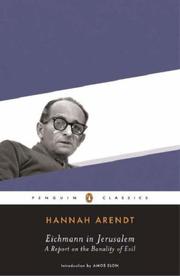
Eichmann in Jerusalem
★ 4.5Hannah Arendt · 1963 · 312 pages
Academic AcademicSixty years of argument have not exhausted it. The phrase everyone quotes comes from a book almost nobody who quotes it has read — fix that.
- #21

Number the Stars
★ 4.5Lois Lowry · 1989 · 137 pages
Historical Fiction AccessibleThe Newbery-winning introduction to the Holocaust for generations of children — built on the true story of Denmark saving almost its entire Jewish population.
- #22

HHhH
★ 4.4Laurent Binet · 2010 · 327 pages
Historical Fiction IntermediateOperation Anthropoid told as a thriller that interrogates its own right to exist. Prix Goncourt du premier roman, and unlike anything else on this list.
- #23

When Hitler Stole Pink Rabbit
★ 4.4Judith Kerr · 1971 · 191 pages
Historical Fiction AccessibleKerr's own childhood flight, gently told — the refugee experience for young readers, from the author of The Tiger Who Came to Tea.
- #24

The Huntress
★ 4.4Kate Quinn · 2019 · 560 pages
Historical Fiction AccessibleQuinn weaves the all-female 588th Night Bomber Regiment — the real Night Witches — into the hunt for the war's escaped murderers.
- #25

Sophie's Choice
★ 4.3William Styron · 1979 · 562 pages
Historical Fiction IntermediateThe choice of the title entered the language. A National Book Award winner about what survival costs — and a controversial one, as a Gentile Polish heroine at Auschwitz.
- #26

Mila 18
★ 4.3Leon Uris · 1961 · 539 pages
Historical Fiction AccessibleThe fighting Jews of Warsaw given the epic treatment — forty days of revolt against the SS with almost no weapons. Uris at his page-turning best.
- #27

We Were the Lucky Ones
★ 4.3Georgia Hunter · 2017 · 416 pages
Historical Fiction AccessibleA statistical miracle turned novel: the odds of an entire family surviving were close to zero. Now a major series.
- #28

The Reader
★ 4.3Bernhard Schlink · 1995 · 218 pages
Historical Fiction IntermediateThe defining novel of German generational guilt — how the children of the perpetrators live with love for them.
- #29

Inside the Third Reich
★ 4.2Albert Speer · 1969 · 596 pages
Memoir IntermediateThe most intimate portrait of Hitler ever written by an insider — and a masterclass in self-exculpation. Read it alongside the scholarship that dismantled Speer's claims of ignorance.
- #30

The Librarian of Auschwitz
★ 4.2Antonio Iturbe · 2017 · 423 pages
Historical Fiction AccessibleBased on the real Dita Kraus, who survived and verified the book. Reading as resistance, in the one place books were a capital crime.