 34.4°N 132.5°E Pacific
Atomic Bombings
Briefing
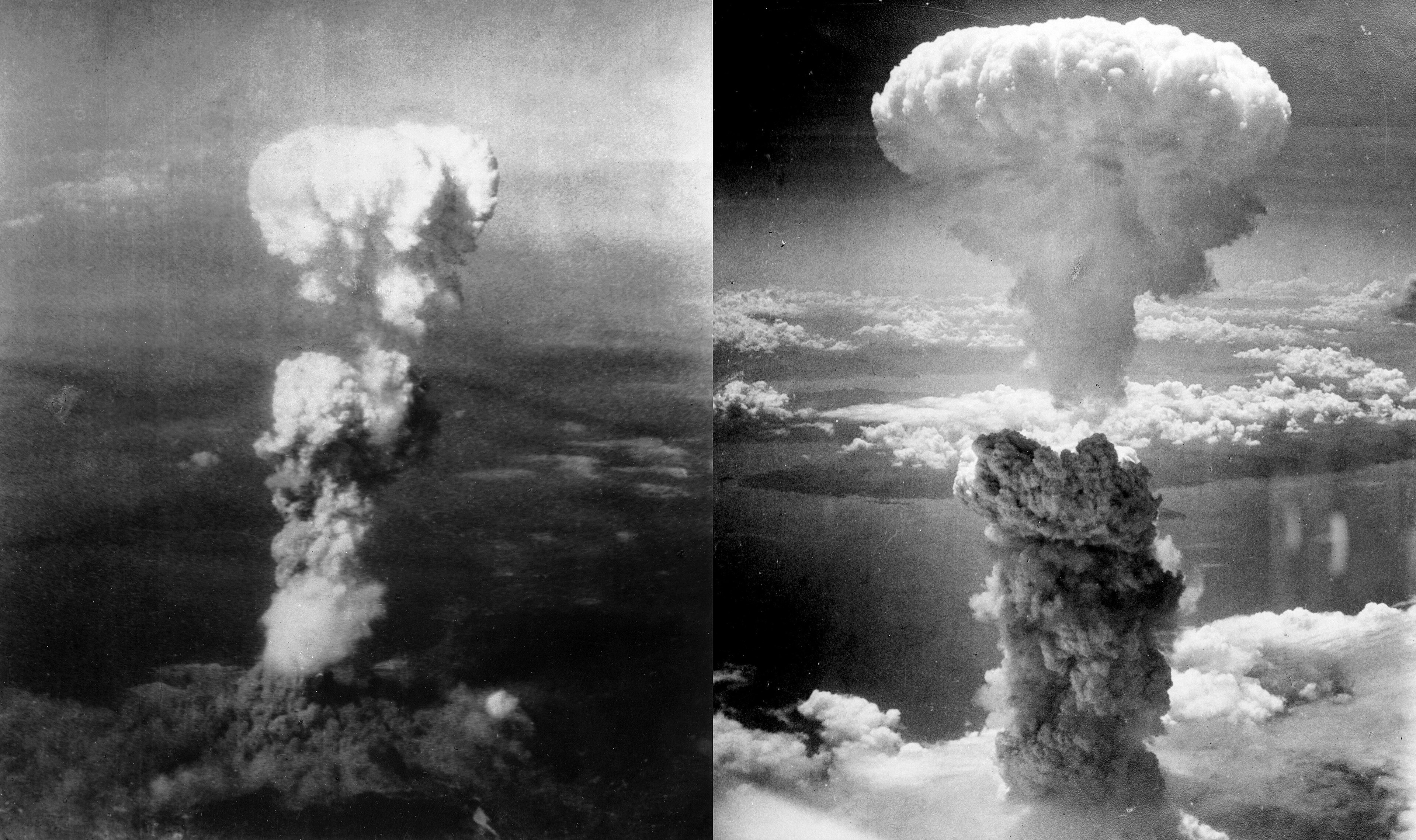
On 6 and 9 August 1945 atomic bombs destroyed Hiroshima and Nagasaki, killing well over 150,000 people by the end of the year — the only use of nuclear weapons in war. Japan announced its surrender on 15 August, ending the Second World War.
Books Covering This Event (10)
Popular History

Six survivors of the atomic bombing tell their stories, from the moment of detonation through the aftermath.

The last weeks of the Pacific war — the bombs, the Soviet invasion, the coup attempt to stop the surrender broadcast.

From the discovery of the neutron to Nagasaki — the complete story of the weapon that ended the war.

The brutal final year of the Pacific War, from the Philippines to the atomic bombings.

The young women of Oak Ridge, Tennessee, who enriched the uranium for Hiroshima without knowing what they were making.

America's war of annihilation in the Pacific, 1944-45 — Saipan, the Marianas Turkey Shoot, and the road to the bomb.

The final volume of the Pacific War Trilogy: Leyte Gulf, the kamikazes, Iwo Jima, Okinawa, and the bomb.


The War in Books: The Atomic Bombings
How the weapon was built, what it did, and what came next.
John Hersey’s Hiroshima appeared in 1946, taking up an entire issue of The New Yorker, and it may be the most influential piece of journalism of the century. Hersey followed six survivors through the bombing and its aftermath in plain, restrained prose, and he made readers see the event from the ground rather than from the bomber. Michihiko Hachiya’s Hiroshima Diary, kept by a physician who was himself injured in the blast, adds an inside record of a doctor trying to understand a new kind of sickness as his patients began to die of it.
Richard Rhodes’s The Making of the Atomic Bomb, which won the Pulitzer Prize, is the other great book on the subject. It tells the whole history, from the physics to Nagasaki, and is as much a story of ideas as of the war. John Dower’s Embracing Defeat looks at what followed, as Japan absorbed defeat and occupation. Ian Toll’s Twilight of the Gods and James Hornfischer’s The Fleet at Flood Tide give the military context in which the decision to use the bomb was made, a decision that is still debated. Read Rhodes to understand how it came about, but read Hersey first, because no one should come to this subject through the science alone.